Sort by how the expense repeats
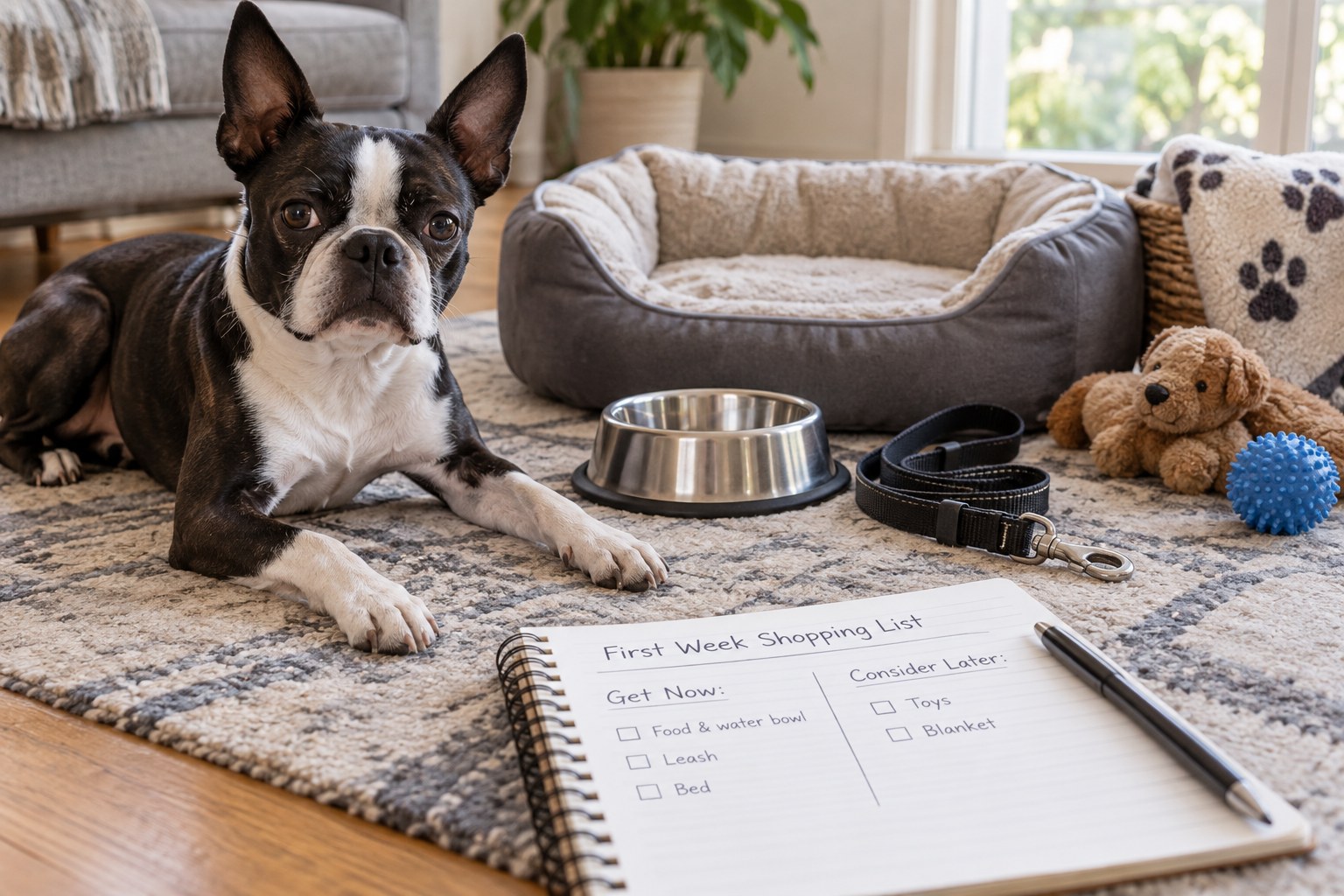
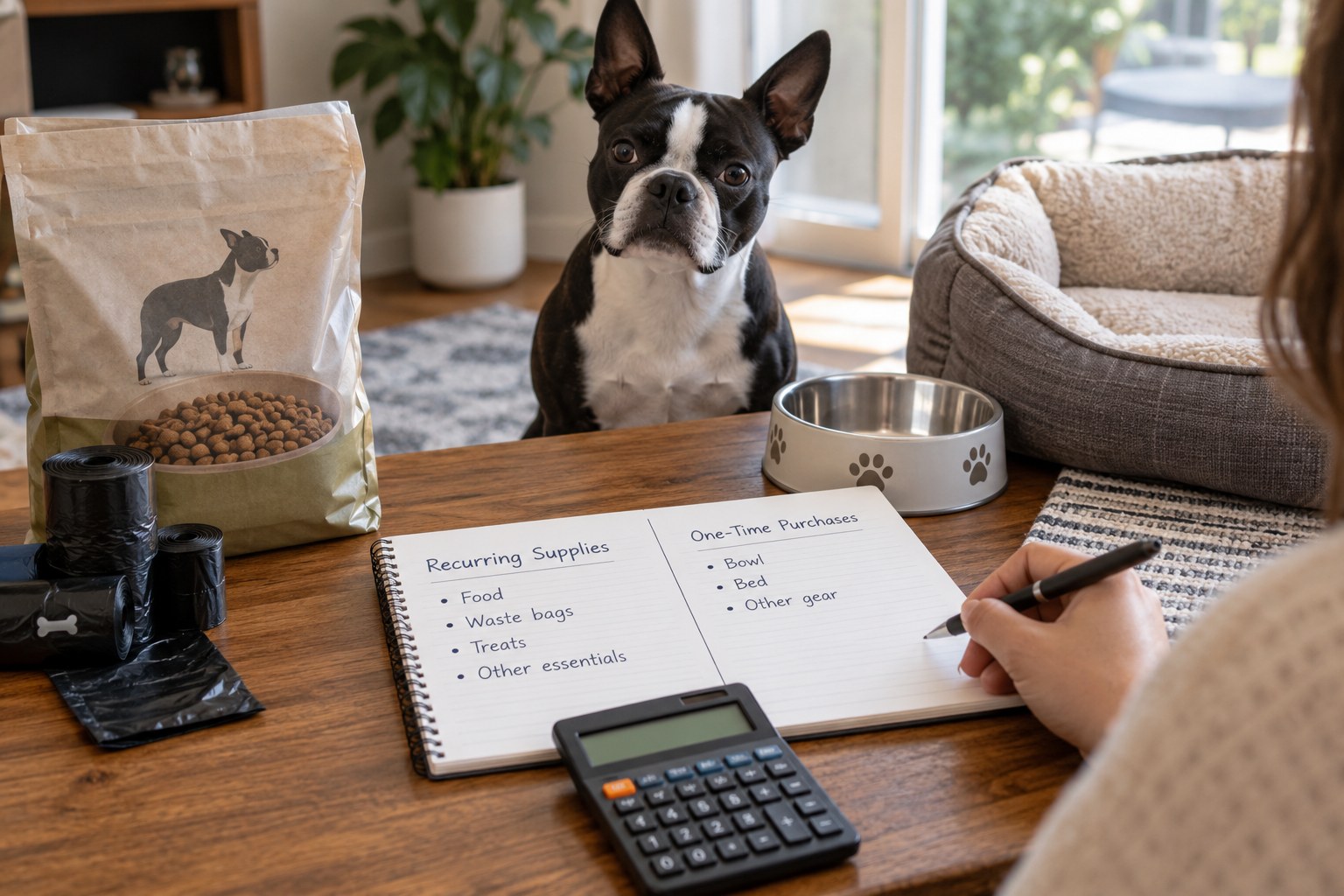
Begin with four columns: initial setup, regular supplies, periodic services and uncertain costs. Put each planned expense in the column that describes its role. A lead may be an initial purchase with eventual replacement, food is a recurring supply, and an agreed care booking belongs to the period in which it will be used. Do not force every expense into a monthly amount before you understand how it occurs.
Use your own actual prices and professional quotes where available. Record the date and what the quote includes, especially when comparing services. A headline price that excludes a task you need is not directly comparable with one that covers it. Avoid using another owner’s total as if it were a forecast for your dog and location.
Connect supplies to a quantity you can observe
For a regularly purchased supply, write down the pack size, purchase price and how long it actually lasts in your routine. Keep the unit clear. A large bag may appear cheaper than a small one, but storage, use and the product’s instructions also matter. Do not change an agreed feeding or care arrangement merely to make a cost column look neater.
For example, a household can record the date a pack of waste bags was opened and the date it was replaced, then use that history for the next order. The same method does not automatically apply to a veterinary expense or a service quoted for a specific task. Different costs need different evidence, even when they share a budget sheet.
Keep replacement and optional spending visible
List durable items that will eventually need inspection and possible replacement, such as walking equipment or bedding. You do not need to invent a fixed replacement date for every object. Keep a space for its current condition and the reason a purchase became necessary. This helps distinguish ordinary wear from collecting another version because a new colour was released.
Place gifts and decorative items in an optional column. A Boston Terrier print, personalised ornament or second mug can be enjoyable without becoming part of the dog’s essential care cost. Keeping those purchases visible makes it easier to decide where discretionary spending is going without distorting the figures for necessary supplies.
Revisit assumptions when the arrangement changes
Time away, a different carer, a move or a change in the dog’s needs can alter the pattern. Update the relevant rows and seek current information from the service or professional involved. If you are considering insurance or another contract, read its specific terms and ask the provider about unresolved questions; a household budget article does not determine coverage.
Compare the plan with actual spending over a useful period and note why a difference occurred. A one-time setup purchase should not become an assumed recurring charge, and a recurring service should not vanish because it was absent from one quiet month. The result is a record of your household’s commitments and choices, with uncertainties still visible rather than hidden behind a reassuring average.