Choose what the portrait should show
Decide whether you want a head study, a full-body portrait or a scene with more than one animal. Describe the pose and expression without asking the artist to infer them from a large folder. If the portrait is a gift, consider whether the recipient prefers a close likeness, a simplified illustration or a more interpretive style. Look at examples from the actual artist's portfolio rather than a general style label alone.
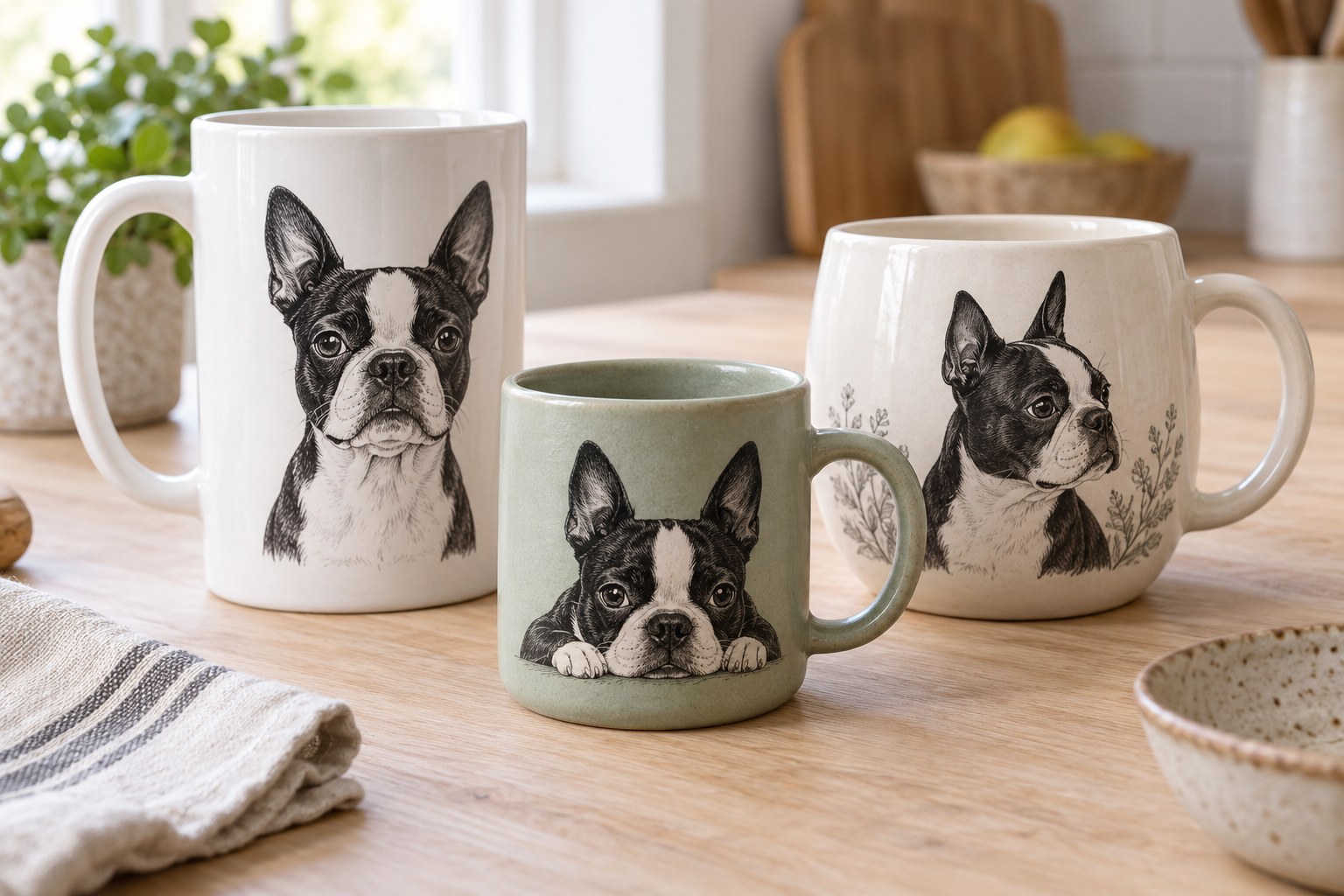
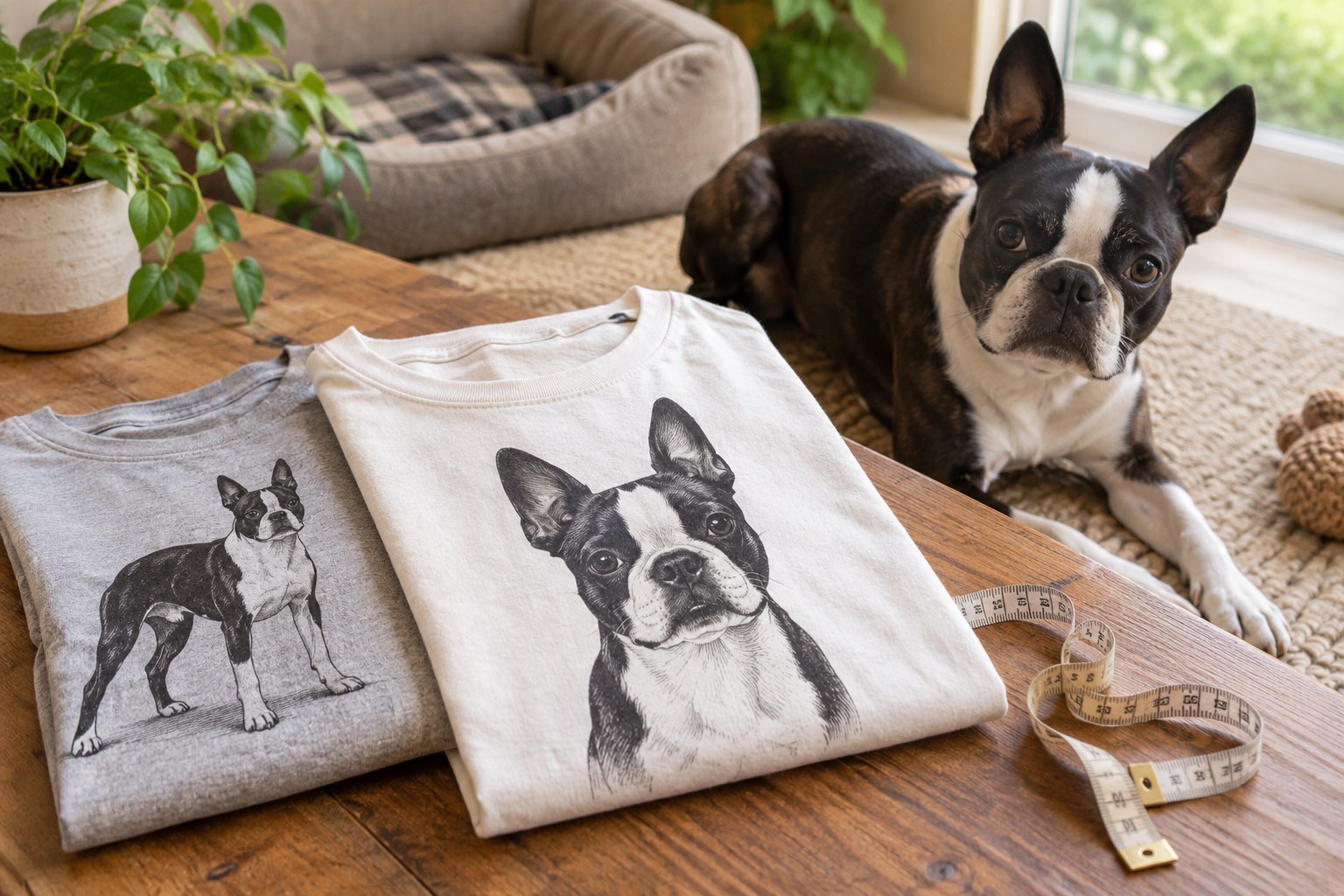
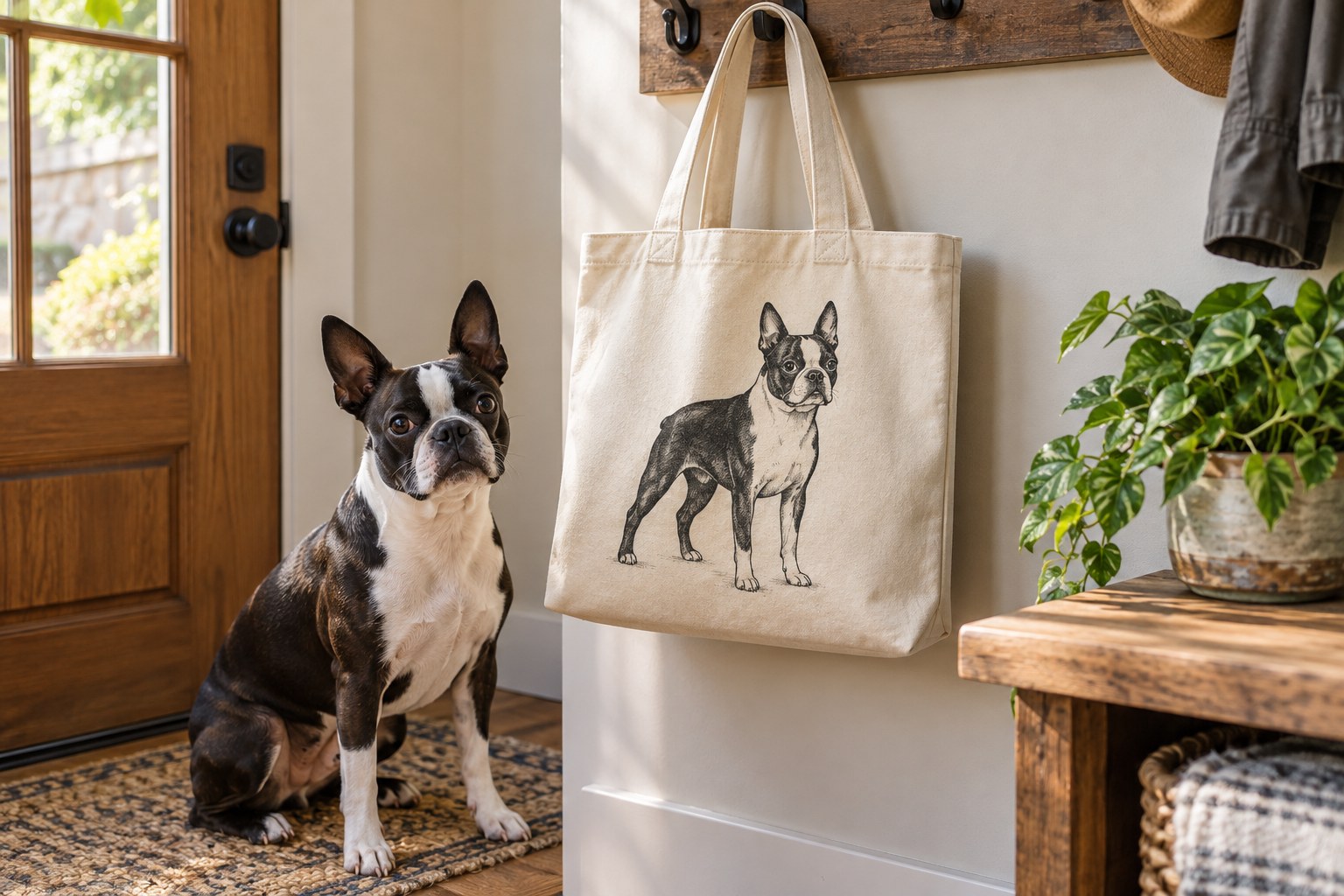
Record the final purpose: framed wall art, a digital file or a design for a particular object. The format affects the crop and amount of detail that will remain visible. Give the artist the intended dimensions and orientation if you know them. If you are undecided, ask which formats their process supports before paying for a portrait that may not suit the intended use.
Select references with different jobs
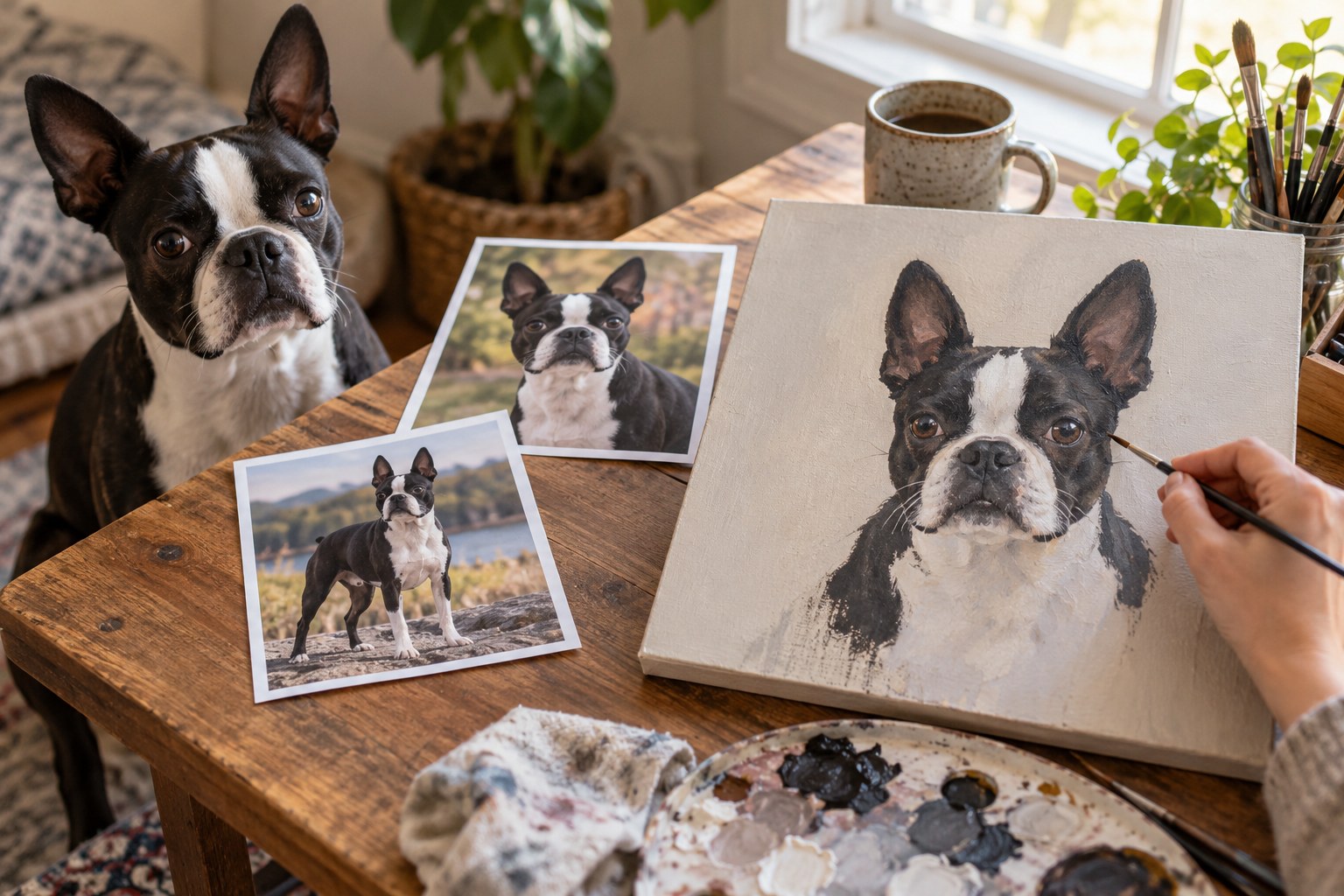
Choose one primary photograph showing the desired pose clearly. Add a small number of supporting views for markings, eye colour, ears and body proportions. Explain which photograph controls the pose and which supplies a detail. A contradictory collection without notes can make it harder to know what you want than one clear reference with a concise description.
Use the original image files where possible, rather than screenshots from a messaging app. Check focus at the face and examine dark fur for visible detail. Avoid relying on a heavily filtered photograph to describe colour. Printful's file guidance illustrates the underlying issue: pixel dimensions must suit the output, and enlarging a small image does not restore detail. The artist's own requirements govern what you submit.
Do not force the dog into a pose for the order. A comfortable ordinary photograph is a better reference than an awkward staged image. If an important feature is hidden, supply another existing view or ask how the artist would handle it. Describe uncertainty explicitly rather than letting an artist guess at a marking you care about.
Agree what the proof means
Ask whether the process includes a sketch, digital proof or only the final artwork. Find out when changes are possible, how many revision rounds are included and which changes count as a new brief. A proof should be reviewed for the dog, spelling and composition; it may not predict the precise colour or texture of the finished paper, paint or frame.
Make feedback specific and collected in one message. For example, identify which ear shape differs from the reference or where a white marking should end. Separate a factual correction from a change of artistic preference. Review the revised version against the same brief, rather than introducing a new pose after the artist has completed the agreed one.
Confirm delivery and permitted use
Check whether the purchase includes a physical piece, a downloadable file, a frame or a combination. Ask about file dimensions, mounting and packaging where relevant. For a gift deadline, distinguish time spent creating the work from time spent shipping it. Allow for your own proof response rather than treating the seller's production estimate as an unconditional arrival date.
Use photographs you took or for which you have appropriate permission. The US Copyright Office explains that owning a copy does not itself give ownership of the photograph's copyright. If a professional took the image, check the permission for submitting it as an art reference. Ask the artist separately what uses of the completed portrait are included, especially if you later want to put it on merchandise.