Identify the product beneath the customisation
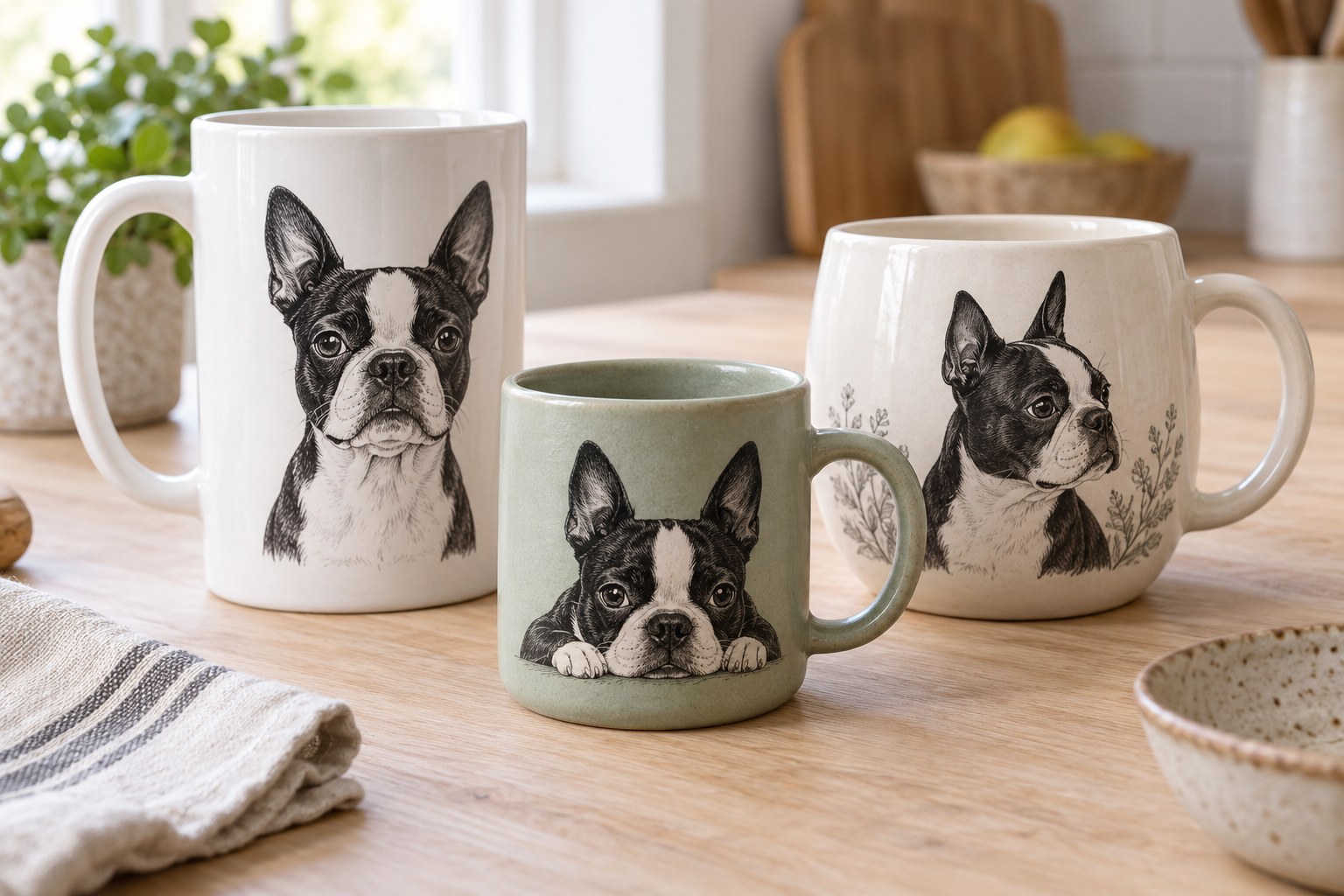
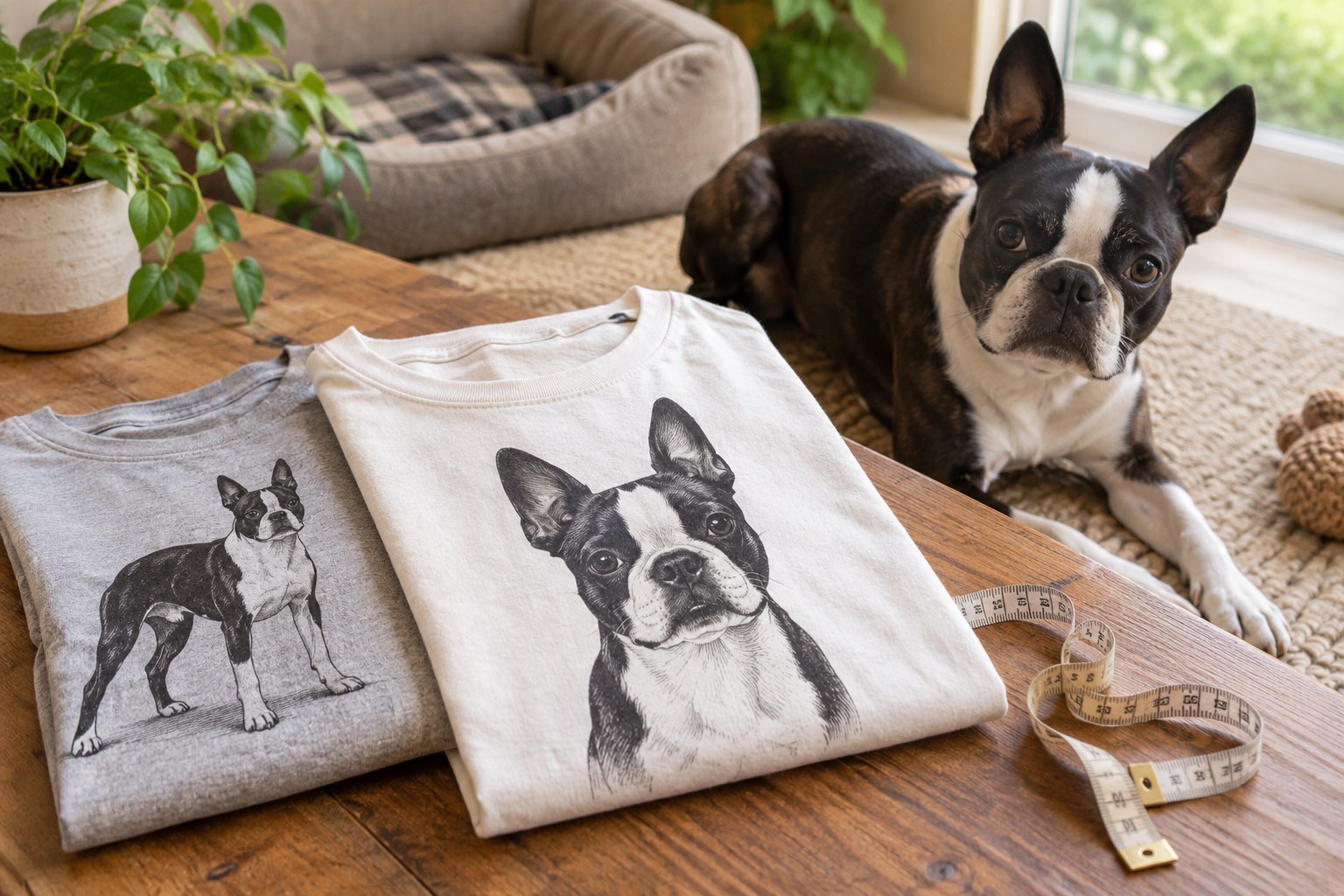
Start with the ordinary specification: material, dimensions, colour, construction and care. A beautiful preview can make it easy to overlook that the listing sells a cover without an insert, a print without a frame or a digital file without a physical object. Read the description and selection menus together. If they appear inconsistent, ask for clarification before submitting your details.
Check whether the available options change the underlying product. A larger size may have a different shape or print area, and one colour may use a different finish. Do not assume that choosing a more expensive option automatically includes every accessory shown in the photographs. Write down the exact combination you intend to order so you can compare it with the checkout summary.
Prepare one clear set of details
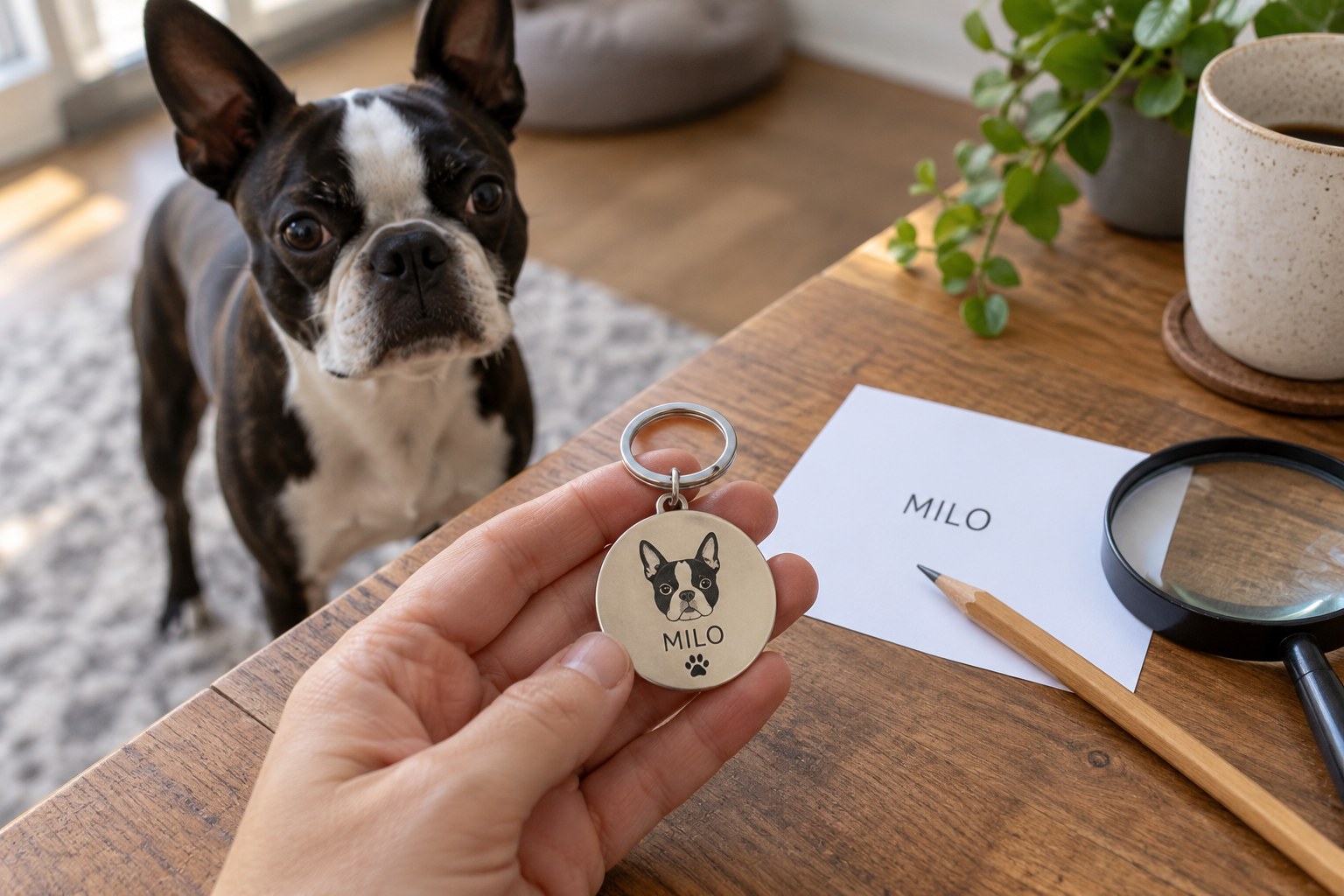
Copy names, dates and messages into a note and verify them independently. Identify each field so the maker knows which text belongs on which line. Include punctuation and capitalisation deliberately. If a listing limits character count, check whether spaces and symbols count and whether a long name changes the font size. Avoid submitting contradictory instructions through several different message channels.
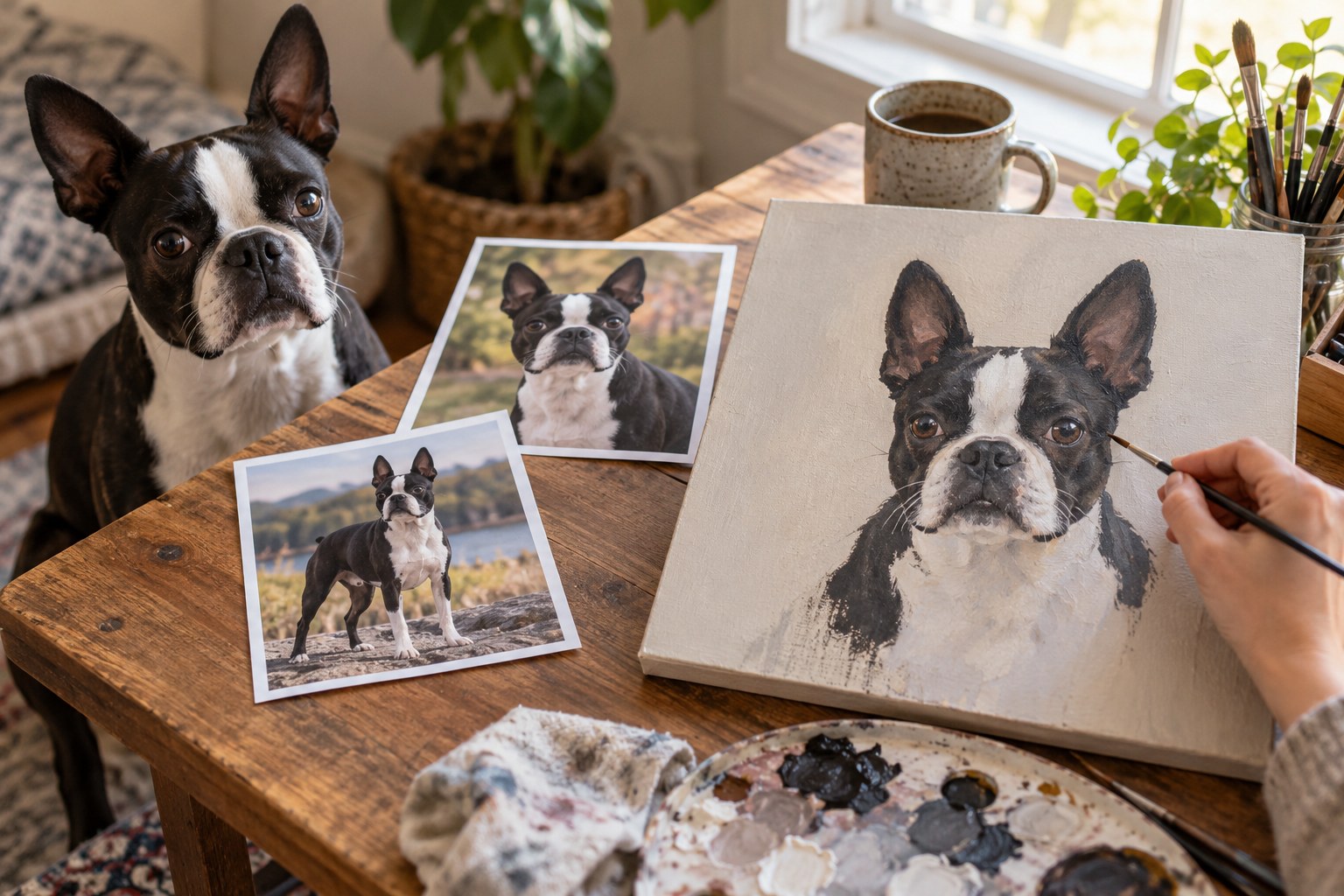
For photographs, read the requested file format, crop and quality requirements. Explain which image controls the pose and which images are supporting references. Do not assume the maker will remove a background or combine several animals unless that service is included. If a key detail is missing or unclear, ask what can be achieved before ordering rather than hoping a preview will solve it later.
Understand the proof stage
Find out whether a proof is provided, when it arrives and what you are expected to approve. A visual proof may show layout and spelling without representing exact finished colour or material texture. Ask how long you have to respond and what happens if you do not reply. Include your review time in any deadline calculation.
Read the revision allowance and what counts as a correction, a design change or a new order. Keep feedback specific and collected in one response. When a revision arrives, review the complete item again, including text that was not changed. Save the final approved version and its date with the order record so the agreed result is clear.
Separate production, delivery and remedies
Distinguish the time needed to create the item from dispatch and transit estimates. Check where the order ships from and what delivery choices are available for your destination. An event date written in a note does not itself create a guaranteed arrival. If timing is essential, obtain the seller's explicit explanation and leave room for your own proof response and any agreed corrections.
Read the seller's published cancellation, return and problem-reporting terms for personalised goods. Do not assume ordinary change-of-mind terms apply, or that a 'no returns' phrase explains every possible issue. If something is unclear, ask the seller or consult relevant consumer guidance for your location. Keep legal expectations separate from an informal promise in a product review.
Check the order while it is reviewable
Before payment, compare the cart with your saved specification, including quantity, model, size, address and custom text. After delivery, inspect the item in good light before washing, installing or gifting it. Compare it with the agreed proof and retain packaging if the seller needs it for a problem report. Describe any issue factually with photographs of the relevant detail.
Keep care instructions with the finished item. If it is a gift, pass on the information needed for use while retaining the order record privately. For future repeat orders, check the current listing again rather than copying an old configuration blindly; the product and available options may have changed since your first purchase.