Match each measurement to the diagram
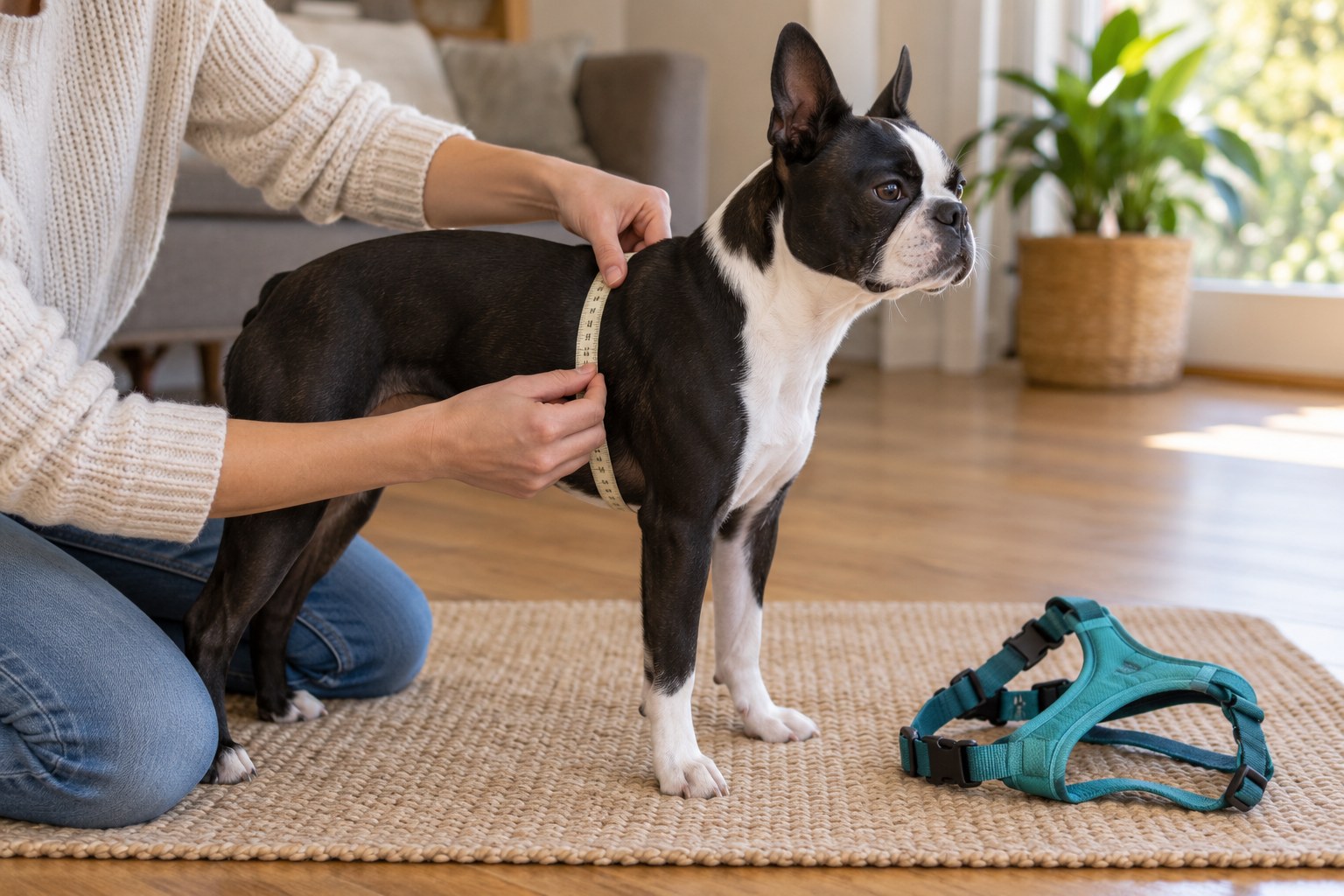
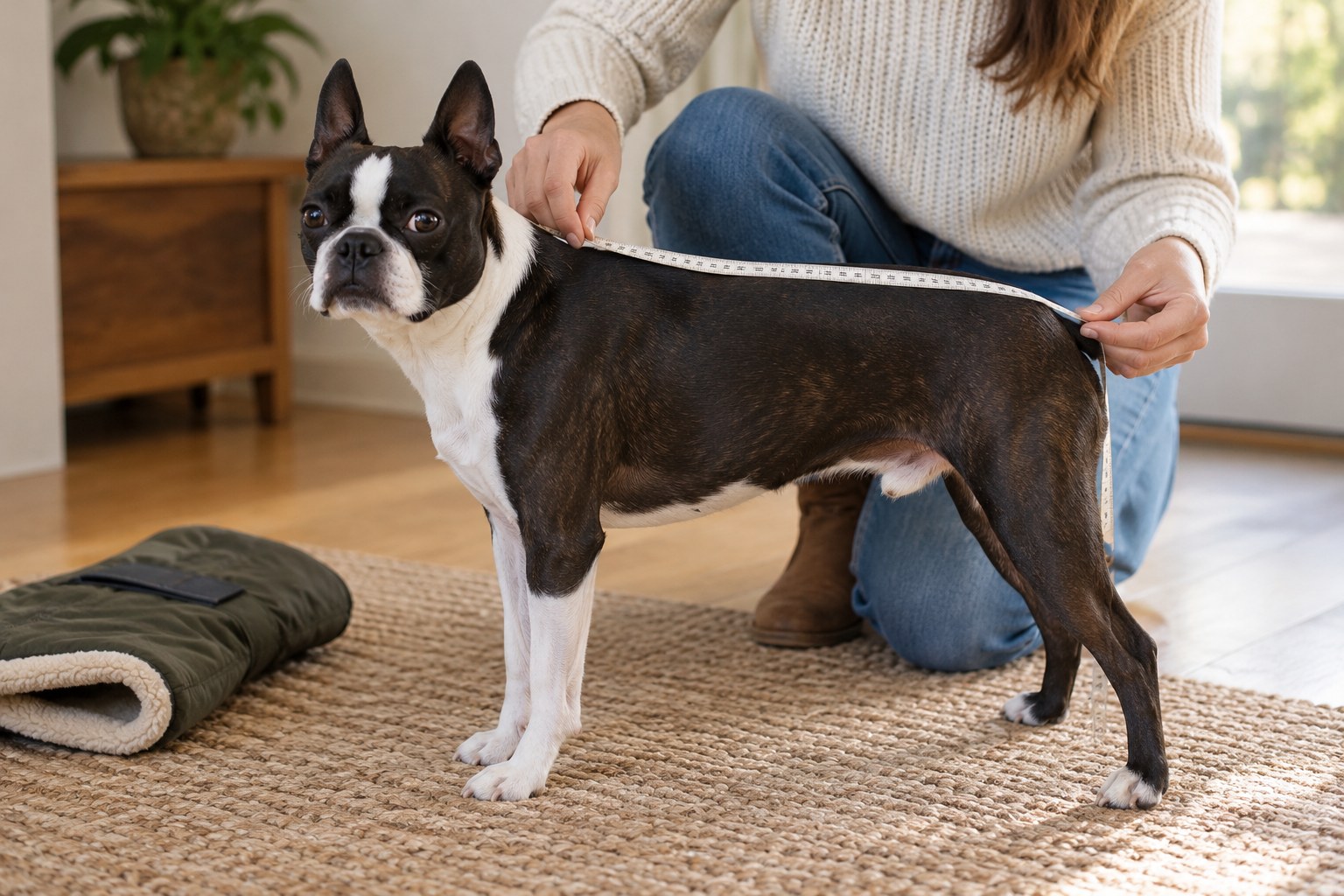
Set a soft tape and a note beside you before starting. With the dog standing comfortably, take the measurements requested by the product rather than a remembered set from another brand. A listing may ask for neck circumference, chest circumference and back length, but the endpoints can differ. Save the maker's diagram or sketch the measuring points next to your figures so that the numbers remain meaningful later.
Take the chest measurement where the diagram shows it, keeping the tape level rather than angling it towards the belly. For length, identify the stated start and finish; some makers measure the garment itself, while others describe the dog it should fit. Repeat a measurement if the dog twists or sits. A quiet pause is preferable to pulling the tape tight for a quick result.
Read the limits as a set
Compare every requested dimension with the same size row. If the back length falls in one row and the chest in another, do not choose solely by weight. Ask the seller which dimension governs that design and how much adjustment the fastening permits. A generous neck opening will not correct a chest panel that is too narrow, and a longer size may move the rear edge into an inconvenient position.
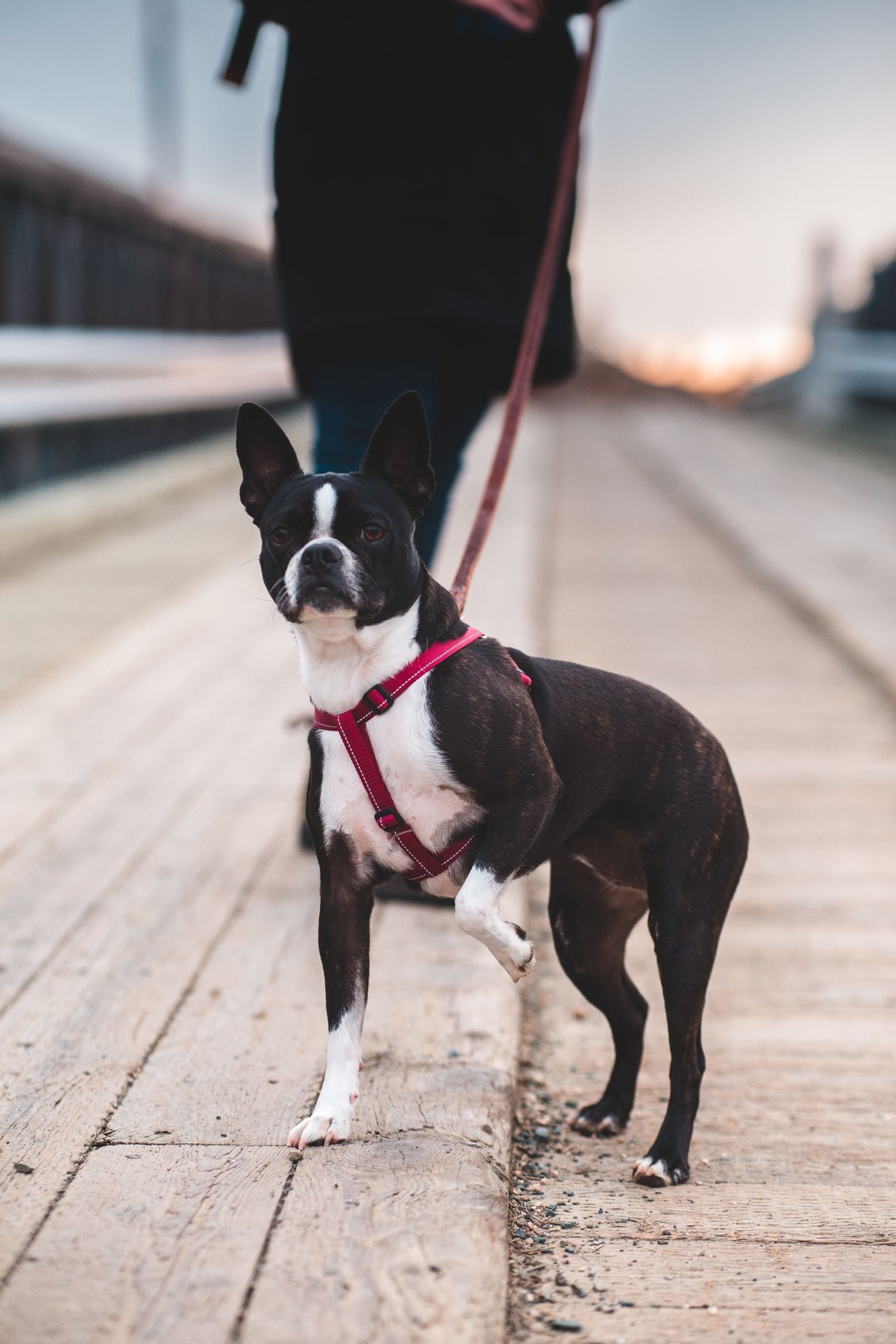
Check the arrangement underneath. A coat may fasten over the back, across the chest or around the belly, and these positions affect how you put it on. Consider where your dog toilets and where the harness sits. If a lead opening is included, check its position against your actual harness attachment point rather than assuming all openings align.
Treat a listed adjustment range as a specific mechanical allowance, not extra fabric everywhere. Ask which strap changes and where the fixed panels remain. A coat may loosen around the belly while leaving its front opening unchanged. If the listing calls the material stretchy, ask whether the size chart already accounts for that stretch; do not subtract from your measurements on your own. This is particularly useful when comparing a pullover shape with an opening coat that can be fastened around the standing dog.
Use a careful indoor fitting
Keep tags and packaging until you know the seller's fitting and return conditions. Try the coat in a clean indoor space and follow its instructions. Watch the dog stand, turn and take a few steps. Look for fabric gathering behind the front legs, a fastening being pulled sideways or an edge that interferes with normal movement. Stop if the dog appears uncomfortable; do not force a walk to justify the purchase.
Record which size you tried and what was wrong or right about its shape. A note such as 'chest fits, opening sits too far back' is more useful than simply 'medium too small.' When comparing another coat, start again from its own chart and your current measurements. Keep the care label with that record so the eventual choice also fits your washing routine.