Define what happens inside
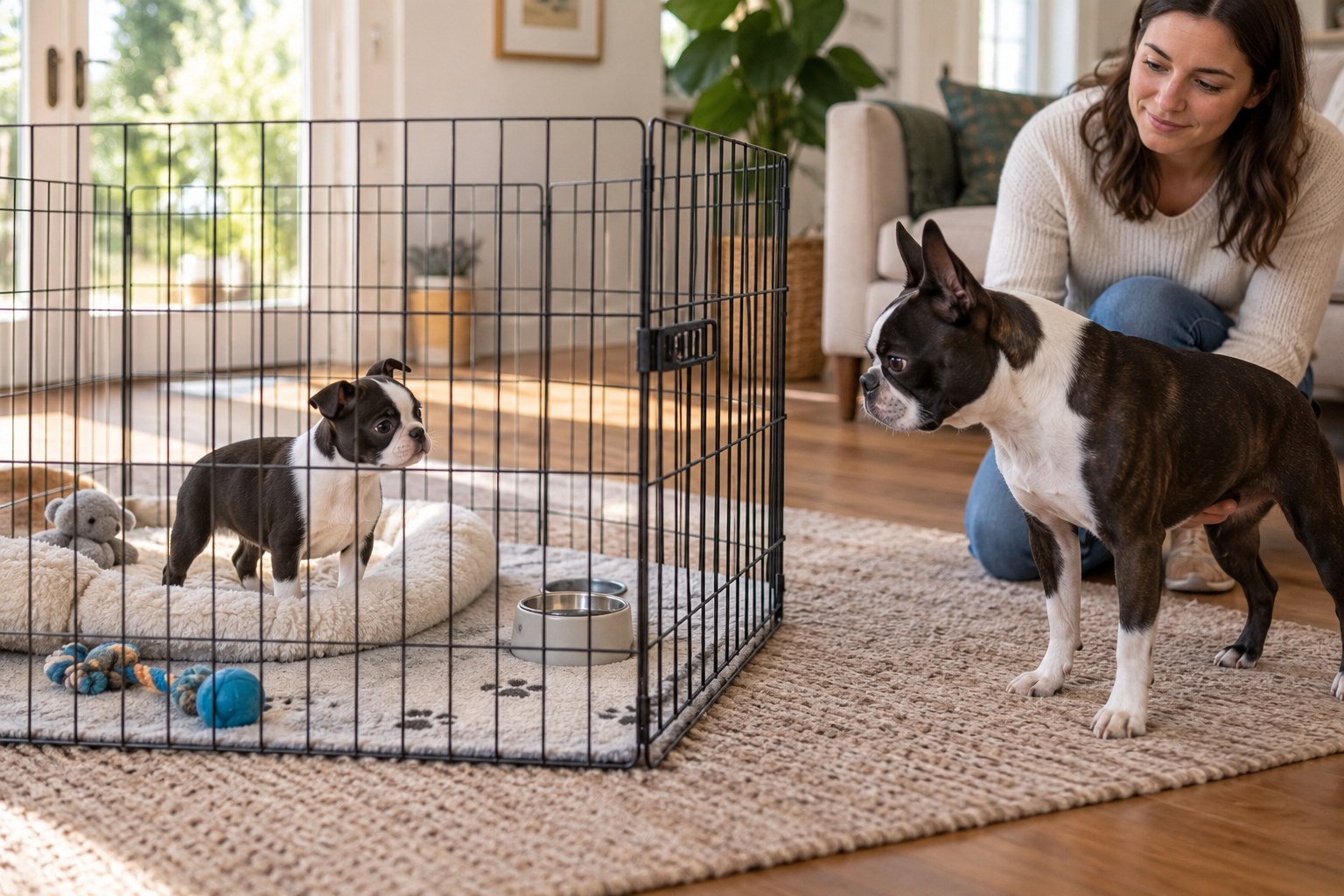
Write a specific purpose: a familiar resting space while you are nearby, a short managed period during a household task or another clear use recommended for your circumstances. A crate and an open pen provide different boundaries, so do not treat them as interchangeable boxes. Decide who will supervise, how the dog will enter and leave, and what you will do if the dog is uncomfortable.
If confinement is unfamiliar or the dog has previously struggled with it, seek guidance from a qualified trainer or your veterinarian before expecting the equipment to solve the problem. Do not use a purchase to set an arbitrary number of hours the dog must tolerate. Toilet needs, companionship, activity and the particular dog's response remain part of the plan.
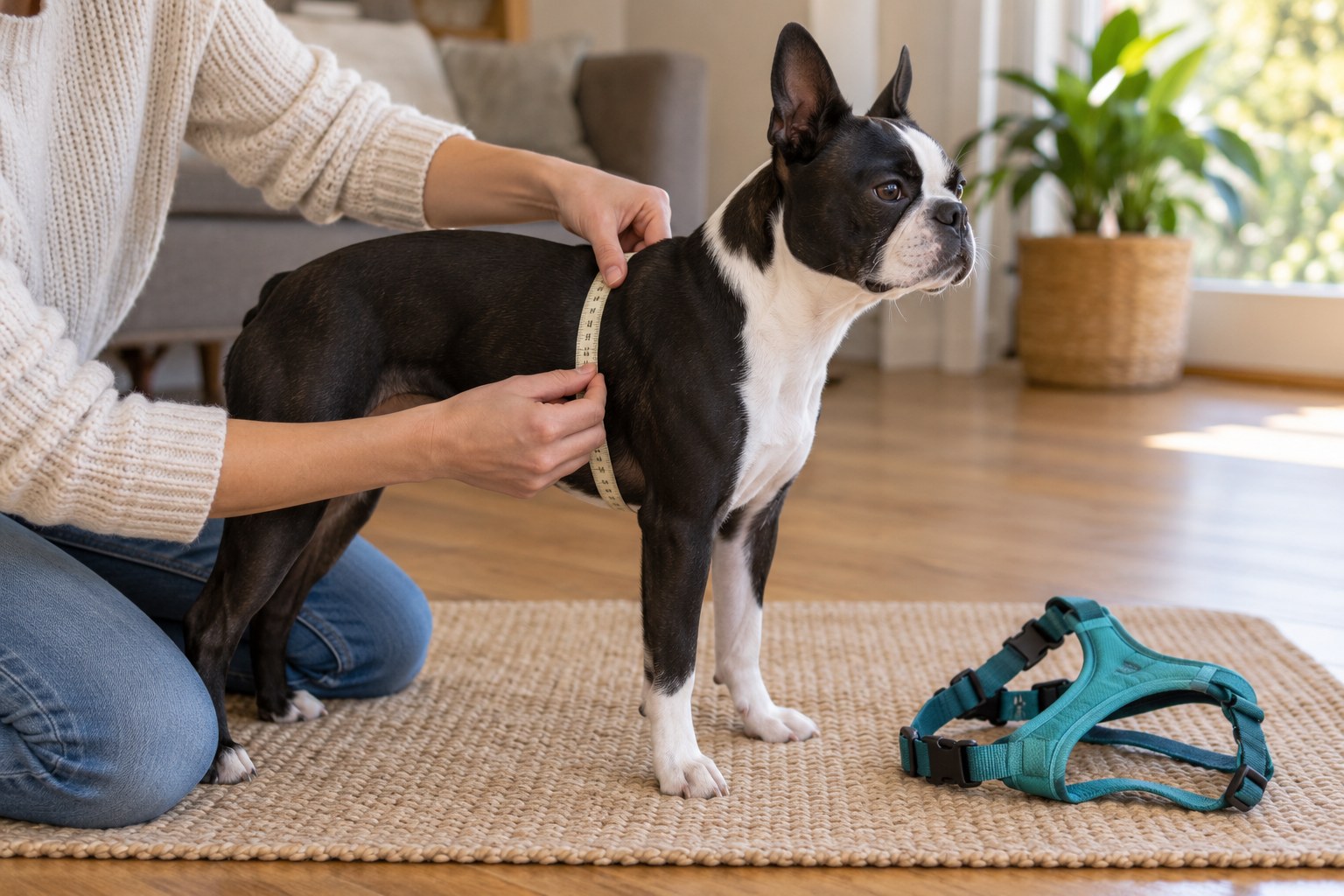
Measure usable space and access
Use the maker's sizing instructions and compare internal dimensions. Door frames, sloping sides and bedding can reduce the usable area. Check that the dog can perform the positions the product is intended to allow. For a pen, account for how panels change the shape: two arrangements with the same number of panels can leave very different space for resting and turning.
Mark the footprint on your floor, including the door swing or panel opening. Walk through the room as you normally would. Keep the setup clear of escape routes, appliance doors and places where people could stumble. A crate pushed into a narrow corner may be difficult to clean or open fully, and a pen can move the household traffic route closer to the dog than expected.
Read what belongs in the enclosure
Check the product's instructions for assembly, fastening, location and accessories. Use compatible dividers or covers only as directed. Look for gaps, sharp edges and latches that fail to seat. Avoid draping fabric over an enclosure without understanding the maker's requirements for ventilation and safe use. The dog should not be able to pull nearby cords, curtains or stored items through the bars.
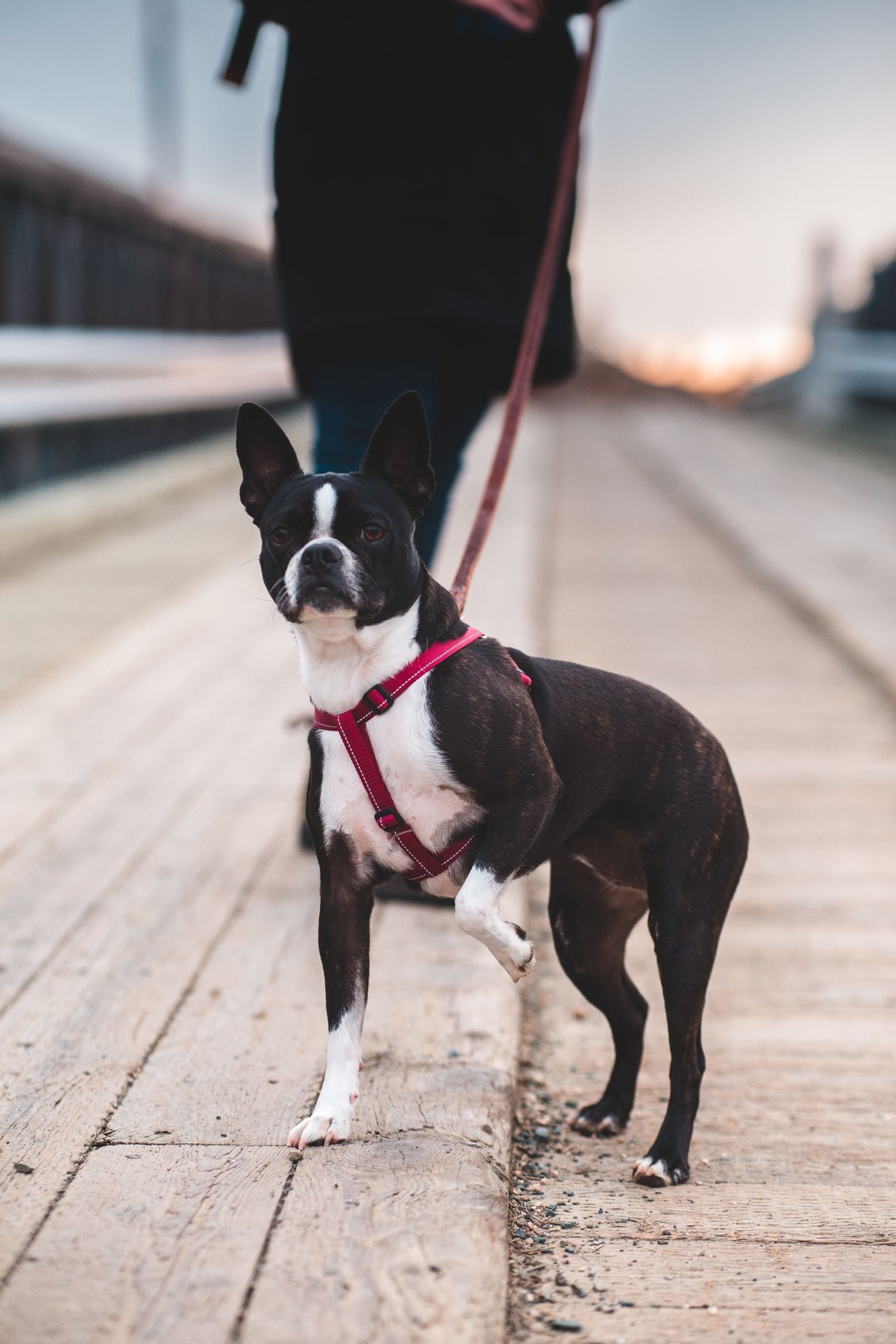
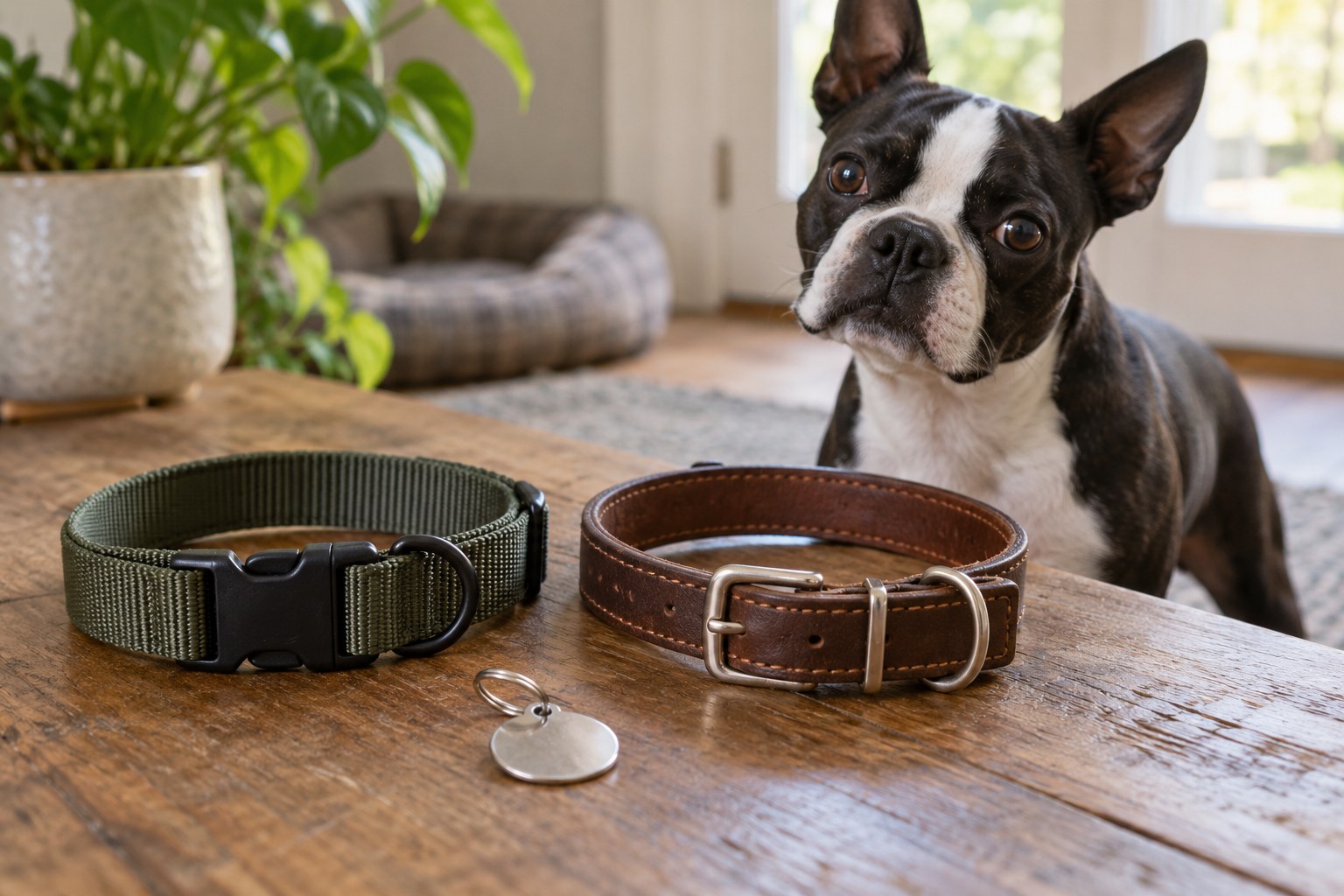
Consider each item you place inside separately. Bedding may be unsuitable for a dog that tears and swallows fabric, while a toy used safely in an interactive game may be unsuitable in an enclosure. Ask an appropriate professional about uncertainties specific to your dog. Follow equipment instructions about collars, harnesses and potential snag points instead of improvising an arrangement because the dog is usually calm.
Introduce the setup in small steps
Assemble and check the enclosure before bringing the dog to it. Begin with calm investigation and an accessible exit in a quiet room. Let the dog choose to approach, and use your established reward-based training plan. Change one aspect at a time, such as your position nearby or a brief door movement, so you can see what causes difficulty.
Supervision means observing the dog, not simply being elsewhere in the same home. Watch for attempts to climb, chew, push or escape and for signs that the dog cannot settle. Stop and change the plan if the setup is causing distress. A stronger latch is not a complete response to a dog repeatedly trying to get out.
Keep the assembly instructions and check attachments after moving or folding the product. Clean its removable parts as directed and inspect the floor underneath. Review the purpose as the dog becomes familiar with the home: equipment that helped during one situation may later be unnecessary, or need a different location. Let observed use guide that decision.