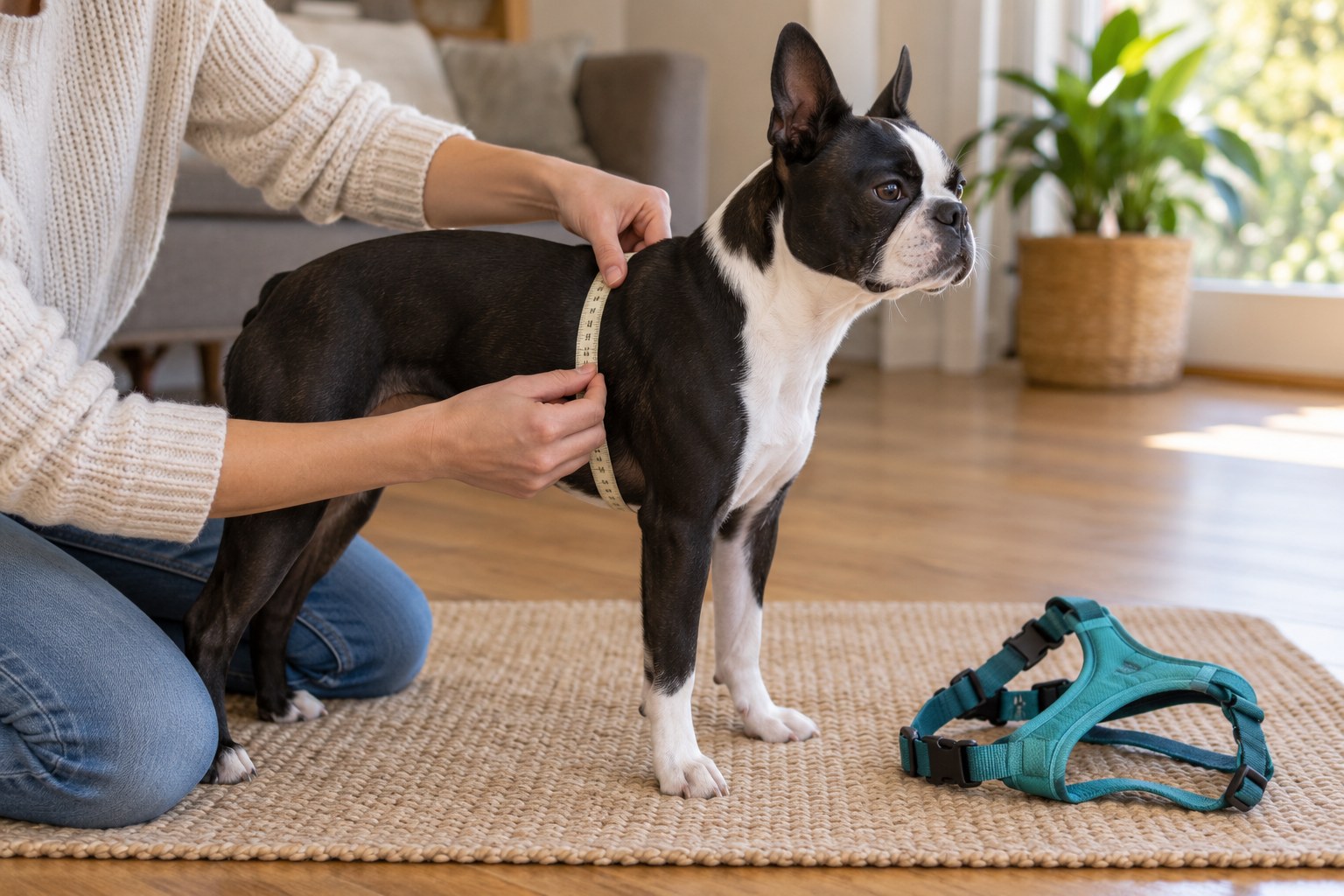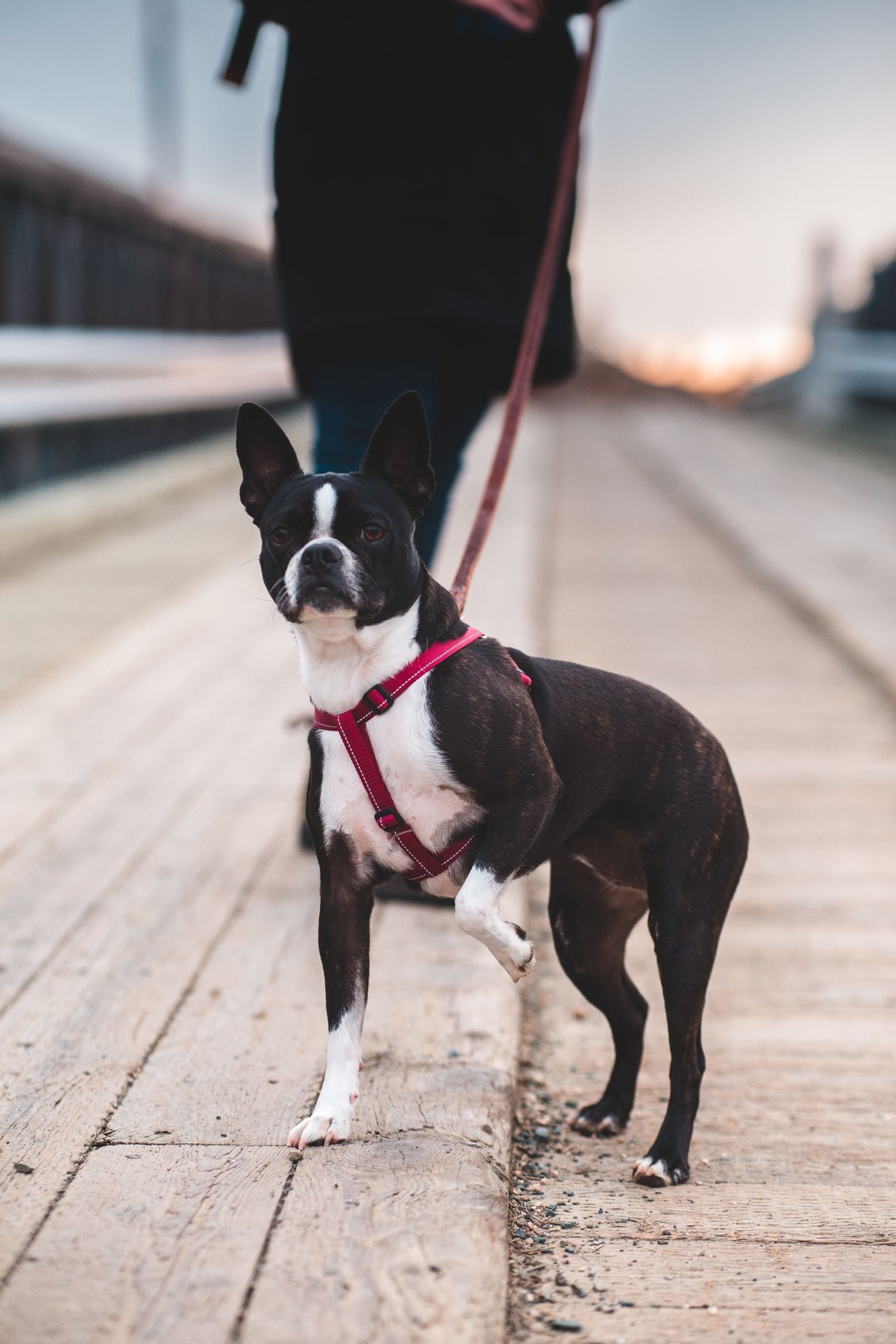
Make the first contact easy
Decide which phone number a finder should use first. Choose one you can monitor during the hours your dog is likely to be outside, and check every digit before ordering a tag. If you include an alternative number, make sure that person knows what to do. Limit decorative text if it makes the contact information small or crowded.
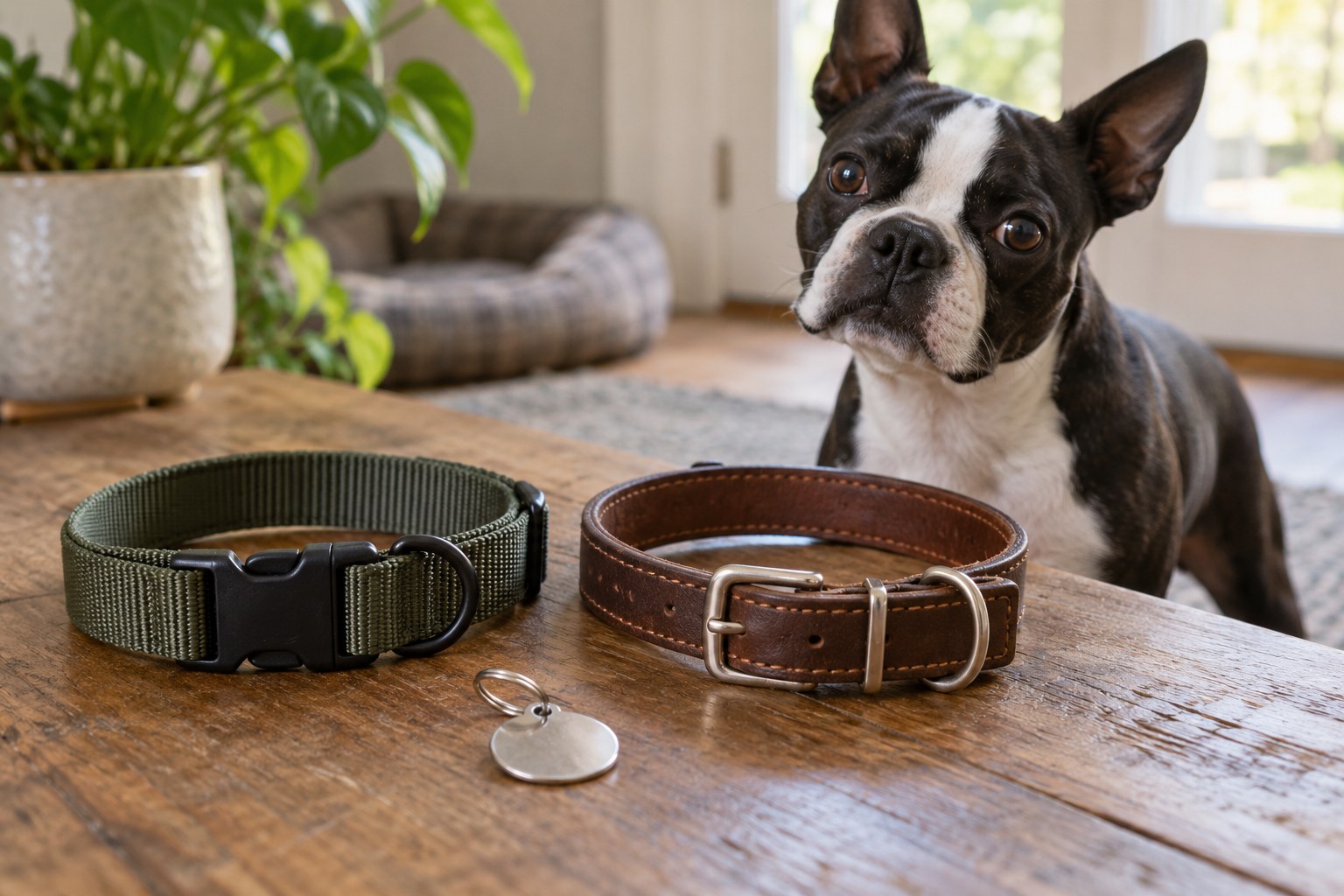
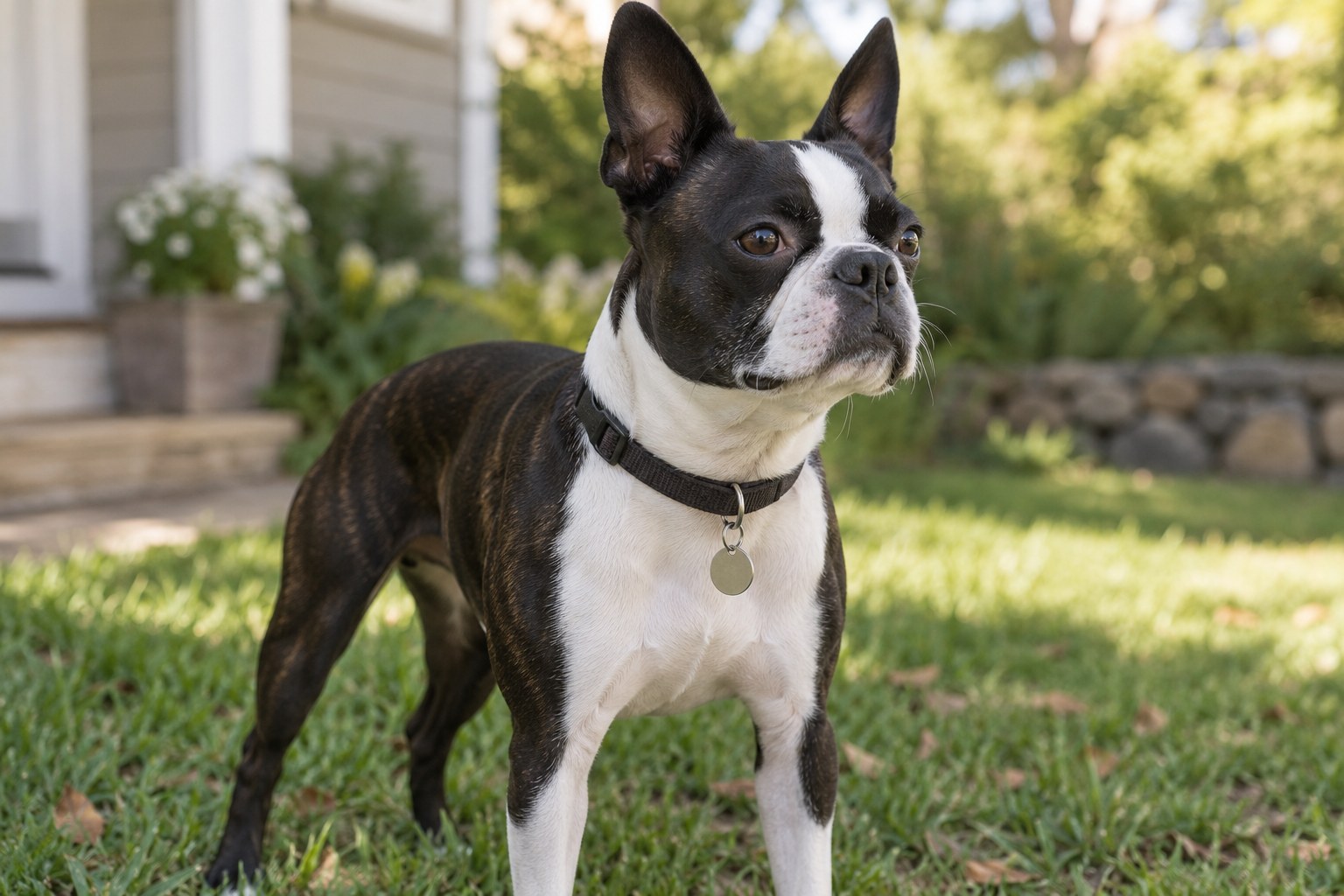
Read the finished tag under ordinary indoor light and at arm's length. Inspect both sides if it is double-sided. Put the actual collar or harness attachment beside it and check how the tag will hang. A tag that is readable on a table may sit against a buckle or turn constantly when attached. Avoid placing a covering over information that someone would need to see quickly.
Check the record behind the identification
AVMA explains that a microchip complements, rather than replaces, current collar identification. Check your dog's registry record directly and confirm your phone and address details. Keep the chip number and registry name in the dog's care file so another household member can find them. Ask the registry or veterinarian how to resolve uncertainty about an old record.
Test any service-linked tag
If you use a QR tag or another service-linked accessory, examine what the finder must do and what information is exposed. Check it using a different phone without signing into your account. Read any continuing service requirements before relying on it. Keep a plainly readable contact option in the arrangement rather than assuming every finder has a working phone connection and knows how to scan the code.
Assign a quick recurring check
Look at the attachment ring for separation, corrosion or distortion. Check engraved lettering for wear and printed information for peeling. Ensure an accessory has not become a tempting dangling object for the dog. If you change collars, transfer and inspect the ID deliberately; do not leave the new collar in use while the tag remains on an old one in a drawer.
Review the setup after a move, a new phone number, a change of sitter or a replacement piece of walking equipment. Save a current photograph of the dog and their ordinary collar arrangement. Keep the record concise enough to update immediately. An identification plan becomes less useful when a small change is postponed because the information is scattered across several accounts and notebooks.